Manchester packs a lot into a small centre: two universities, a fast-growing tech and media sector, and a housing market that runs from glass-fronted city-centre towers to red-brick terraces with a corner shop and a decent pub. What catches people out is treating it as one market. It isn't. Your day-to-day experience here will be shaped far more by the area you pick than by the city as a whole.
So before you fall for a flat, work out how you want to live: walking to work, a short tram ride, or a garden and a driveway.
Getting your head around the geography
Manchester is best understood as three rings. The core — roughly M1 to M4, taking in the Northern Quarter, Ancoats, Deansgate and NOMA — is flat-dominated, walkable and priced accordingly. Service charges, parking and bills all add up here, and you may not get outdoor space.
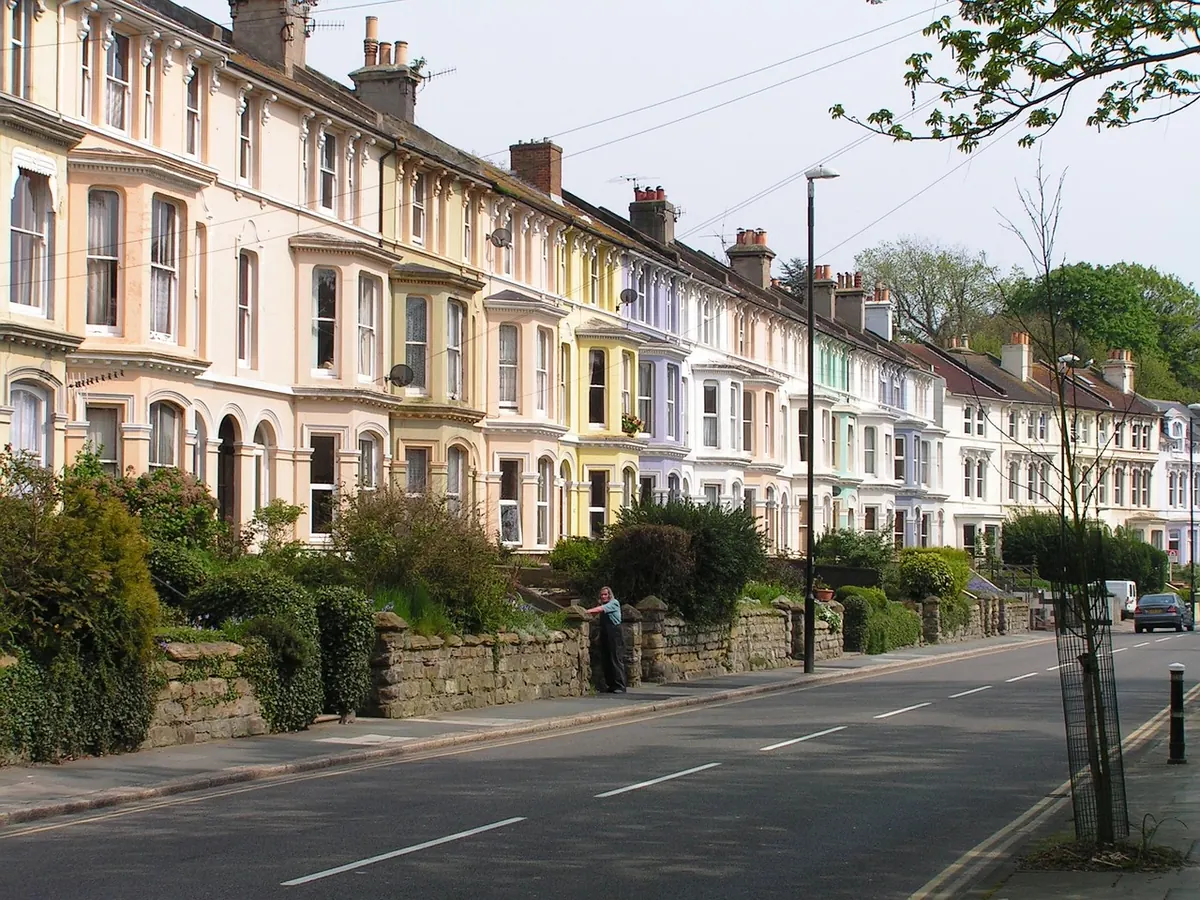
The inner ring is where most people end up: Chorlton, Didsbury, Withington, Levenshulme, Stretford, Salford Quays, Prestwich and Heaton Moor. These have their own high streets, decent bus and tram links, and a mix of terraces, semis and converted flats.
Beyond that, the outer suburbs — Altrincham, Sale, Bramhall, Urmston, Worsley, Monton — trade a longer commute for bigger gardens, quieter streets and, in Trafford especially, well-regarded secondary schools.
Don't rely on postcodes alone. A street on the wrong side of a railway line or ring road can feel entirely different from one five minutes away. Use a map, then go and stand on the pavement.
Renting: what to expect
Rents move quickly, so treat any figure you read as a starting point rather than a quote. Broadly, a one-bedroom city-centre flat commonly sits in the low four figures per month, while a two-bedroom terrace in a popular inner suburb often costs a few hundred pounds less. Sharing a larger house in student-heavy areas such as Fallowfield, Rusholme and Withington remains the cheapest route into the city for many people.
A few things worth knowing before you view:
- Deposits are capped at five weeks' rent for most assured shorthold tenancies in England, and holding deposits at one week.
- Ask what's included. "Bills included" can mean very different things, and council tax bands in Manchester are generally low but not zero.
- Time it right. The student market peaks between late spring and September. If you're competing for family homes near good schools, start looking two to three months ahead.
- Check the paperwork. Your deposit must be protected in a government-approved scheme, and you should receive an EPC and a gas safety certificate.
Buying: where your budget stretches
As with rents, prices vary enormously by postcode and property type. Terraces in Levenshulme, Openshaw and parts of Salford are at the affordable end; Chorlton, Didsbury and Sale sit comfortably higher; Altrincham, Bramhall and the smarter corners of Trafford push higher still. New-build city-centre apartments occupy their own market, often driven by investors and buy-to-let demand.
Two things to watch. First, much of Manchester's apartment stock is leasehold, so ask about service charges, ground rent and the remaining lease length — lenders usually want a comfortable margin above 70 years, and short leases can be expensive to extend. Second, older terraces often come with damp, dated wiring or an awkward rear extension; budget for a proper survey rather than relying on a quick look round.
Mortgage lending, lease terms and conveyancing all have rules that vary with your circumstances. It's worth taking regulated financial and legal advice before you commit to anything.
Commuter links that genuinely work
The Metrolink tram is the backbone of the region, with lines running out to Altrincham, Bury, Rochdale, Ashton-under-Lyne, Eccles, East Didsbury, Oldham and the airport. It's frequent, but it isn't fast, and peak-time trams fill up. Train services from Piccadilly, Victoria and Oxford Road cover the wider north-west and reach London in around two hours.
By road, the M60 ring makes cross-city journeys possible, though the M62 and the A57 into town can be heavy at peak times.
Before you commit to a "twenty-minute commute", test it yourself on a weekday morning. Check the walk to the stop, the peak frequency, and what happens on a Sunday. A cheap house with a two-bus journey quickly stops feeling like good value.
Family-friendly suburbs worth a look
If schools and space are the priority, the Trafford towns — Sale, Timperley, Urmston and Altrincham — are the traditional answer, with strong primaries and grammars nearby. Chorlton and Didsbury offer a good middle ground: leafy streets, parks, and an easy tram into the centre. Further out, Bramhall, Heaton Moor, Worsley and Prestwich give you larger gardens and quieter roads for the money.
One caution: living near a popular school doesn't guarantee a place. Admissions are decided on criteria such as distance, siblings and faith, and the last distance offered changes each year. Check the local authority's admission arrangements and recent allocation data for the specific school you have in mind.
A practical checklist before you commit
- Visit at rush hour, at night and at the weekend. Match days near Old Trafford and the Etihad transform traffic and parking.
- Check flood risk on the Environment Agency maps — the Mersey and Irwell valleys have their spots.
- Look at planning applications on the council's website for anything that could change the street.
- Ask what a monthly travel pass would cost from that address, and add it to your budget.
- For rentals, get every promise in the tenancy agreement, including repairs and break clauses.
- For purchases, instruct a solicitor early and book a survey before you exchange.
Settling on the right area
Manchester rewards a bit of legwork. Shortlist three areas rather than ten, spend a Saturday walking each one, and talk to people in the local café or pub — they'll tell you more in ten minutes than any listing will. Get the area right and the property becomes a much easier decision.
Photo: Andrei Photo / Pexels